Every PTE candidate faces the same decision early in their preparation: study alone using free videos and practice apps, or join a structured English language school with expert coaching. Both paths can work — but they work for different types of students, in different timeframes, and with very different risk of wasted time. This guide compares self-study and structured course preparation honestly, using real patterns Boston Institute has observed across thousands of PTE students in Sydney, so you can make the right choice for your specific situation.
What Self-Study Actually Involves
Self-study for PTE typically means using free YouTube videos, mobile apps, practice question banks, and occasionally paid online question libraries, without direct access to a teacher or coach. It’s the lowest-cost option and offers maximum schedule flexibility, which makes it genuinely appealing for busy professionals or students with limited budgets.
What a Structured English Language School Provides
A structured course, like Boston Institute’s PTE Academic Preparation programme, provides Cambridge-aligned materials, personalised 1-on-1 coaching from qualified teachers, AI-scored mock tests that replicate the real exam’s scoring algorithm, and access to a genuine computer-based exam simulation environment. Students also benefit from a fixed class schedule, peer accountability from studying alongside other students, and direct, specific feedback on pronunciation, grammar, and task strategy — feedback that’s almost impossible to generate accurately through self-assessment alone.
Where Self-Study Genuinely Works Well
Self-study can be effective for students who are already at a strong B2 or higher English level, have taken PTE before and understand the format well, are highly disciplined with consistent daily study habits, and mainly need light refreshing of task strategy rather than fundamental skill-building. For this specific type of student, free or low-cost self-study resources can be a genuinely efficient way to fine-tune an already-strong English foundation.
Where Self-Study Commonly Fails
The core problem with self-study isn’t motivation — it’s accurate self-assessment. Most students cannot reliably judge their own pronunciation clarity, identify their own grammar patterns, or objectively evaluate whether their essay structure meets PTE’s specific scoring criteria. This creates a common and costly pattern: students self-study for months, plateau at the same score across multiple real exam attempts, and only discover the specific issue holding them back after finally seeking expert feedback — after having already paid for one or more failed exam attempts.
Self-study also struggles to replicate genuine exam pressure. Free practice apps rarely simulate the real computer-based test interface, the exact timing constraints, or the psychological pressure of a proctored exam environment — all factors that meaningfully affect real exam-day performance regardless of preparation quality.
The Real Cost Comparison
Self-study appears cheaper upfront, often limited to the cost of a practice app subscription. But this comparison misses the hidden cost of repeated exam attempts. PTE exam fees add up quickly for students who sit the test multiple times while self-studying without accurate feedback on what’s actually wrong with their technique. A structured course that gets a student to their target score in one attempt, rather than three, often ends up costing less overall — while also saving weeks or months of calendar time, which matters significantly for visa application deadlines.
What a Course Provides That Self-Study Genuinely Cannot
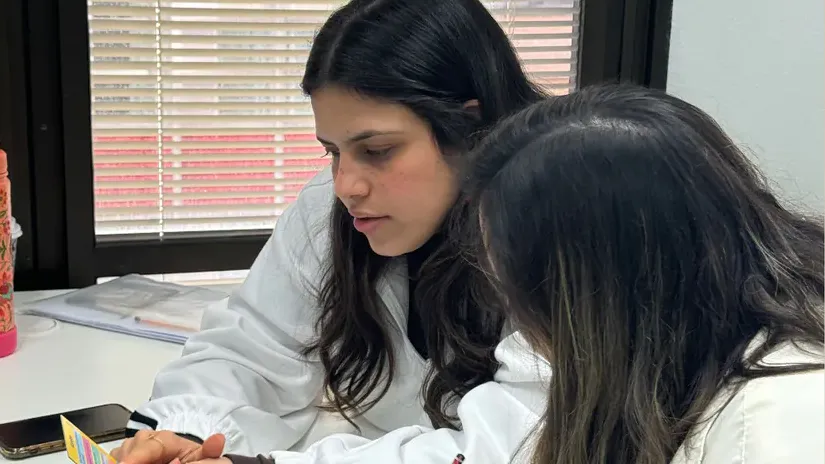
Accurate, specific feedback. A qualified teacher can hear exactly why your Read Aloud score isn’t improving — whether it’s pace, intonation, or a specific pronunciation pattern — something no app can currently diagnose with the same precision as a trained human coach reviewing your recorded responses.
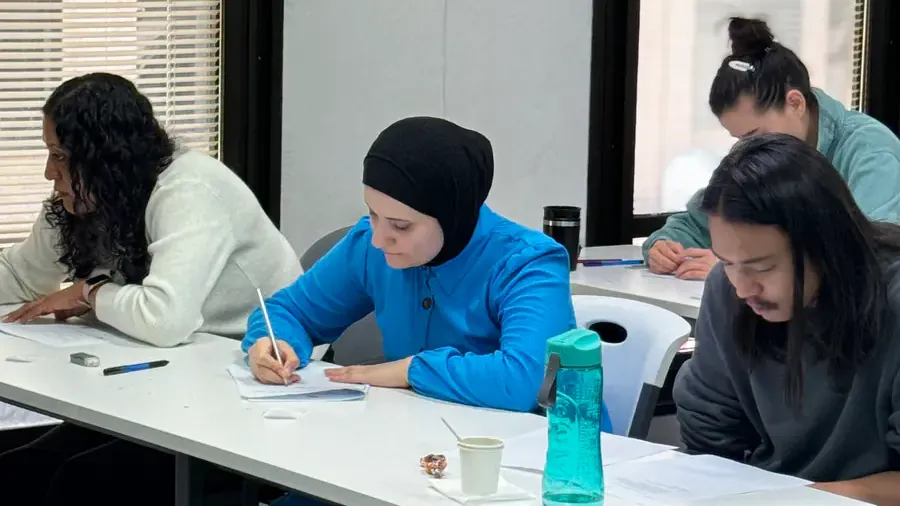
Realistic exam simulation. Boston Institute’s Sydney CBD campus includes a genuine computer-based exam simulation environment, so students experience the real test interface, timing, and format well before exam day — removing a major source of avoidable exam-day anxiety.
Structured accountability. A fixed class schedule with weekly mock tests creates consistent study momentum that’s difficult to maintain through self-discipline alone, particularly for students juggling work or family responsibilities alongside exam preparation.
Up-to-date exam knowledge. PTE occasionally updates its marking criteria and task formats. Course materials at Boston Institute are kept current with official changes, whereas free online content can lag months or years behind the actual current exam.
A Hybrid Approach: The Middle Ground
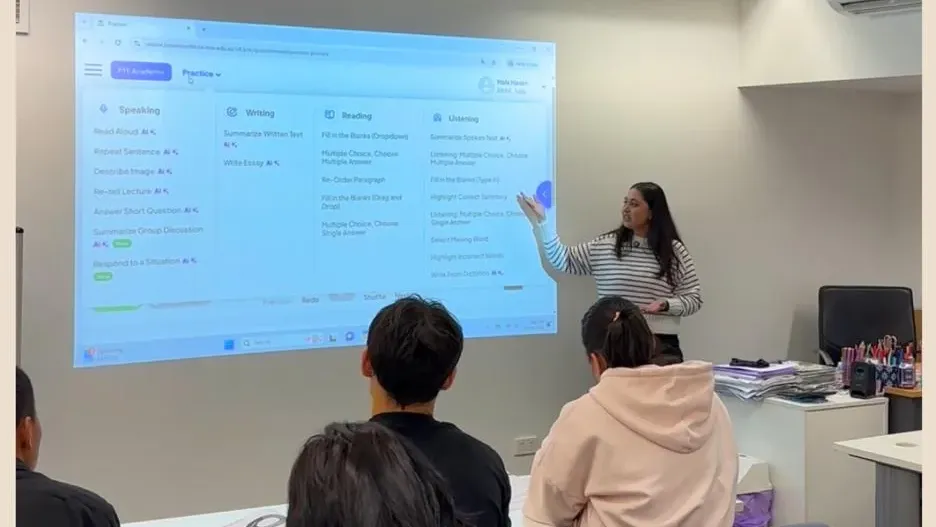
Many successful students use a hybrid model — enrolling in a structured course for the core skill-building and feedback phase, then supplementing with independent practice using the school’s own online portal for additional repetition. Boston Institute’s PTE students receive 24/7 access to our online practice portal alongside in-person coaching, specifically to support this hybrid approach — giving students the structure and expert feedback of a course, combined with the flexible extra practice time that self-directed study provides.
How to Decide What’s Right for You
Ask yourself three honest questions. First, do you already know precisely which PTE task types and skills are holding your score back, or are you unsure? If unsure, a course will identify this far faster than self-study. Second, do you have a hard visa or university application deadline? If so, the time saved by structured, accurate coaching often outweighs any upfront cost difference. Third, have you already self-studied and sat the real exam without reaching your target? If this has happened once or more, it’s a strong signal that the missing piece isn’t more self-study time — it’s expert, specific feedback.
Boston Institute’s Approach: Structured, Not Generic
Boston Institute’s PTE Academic Preparation course (CRICOS Code 119103E) is built specifically to solve the accuracy problem that self-study can’t. Every student begins with a free placement test, receives personalised weekly 1-on-1 coaching, and sits AI-scored mock tests that mirror the real exam’s marking algorithm — giving an honest, specific picture of exactly what’s improving and what still needs work. Courses run flexibly from 2 to 14 weeks at our Sydney CBD campus, with a score guarantee available for eligible students.
Frequently Asked Questions
Is it possible to pass PTE with self-study alone? Yes, particularly for students already at a strong B2 English level who mainly need exam-format familiarity rather than fundamental skill development. Students starting from a lower level typically benefit significantly more from structured, expert feedback.
What are the main risks of self-studying for PTE? The main risks are inaccurate self-assessment of pronunciation and grammar issues, lack of realistic exam simulation, and a higher chance of repeated exam attempts due to unidentified weak areas.
Is an English language school more expensive than self-study for PTE? A structured course typically costs more upfront than free self-study resources, but often proves more cost-effective overall when factoring in the cost of repeated exam attempts common among self-studying students who don’t reach their target on the first try.
Can I combine self-study with a PTE course? Yes. Many students use a hybrid approach, combining structured coaching for skill-building and feedback with independent practice using online portals for extra repetition, which Boston Institute supports through 24/7 online portal access alongside in-person classes.
How do I know if I need a PTE course instead of self-study? If you’re unsure exactly which skills or task types are limiting your score, have a firm visa or university deadline, or have already sat the exam without reaching your target through self-study, a structured course is likely to be more effective.
Does a PTE course guarantee a higher score than self-study? While no method can guarantee an exact score, structured courses generally produce more consistent, faster progress due to expert feedback and realistic exam simulation. Boston Institute offers a score guarantee on eligible PTE packages.
What does an English language school offer that free apps don’t? Personalised human feedback on pronunciation, grammar, and task strategy, realistic computer-based exam simulation, structured accountability, and course materials kept current with official PTE marking criteria updates.
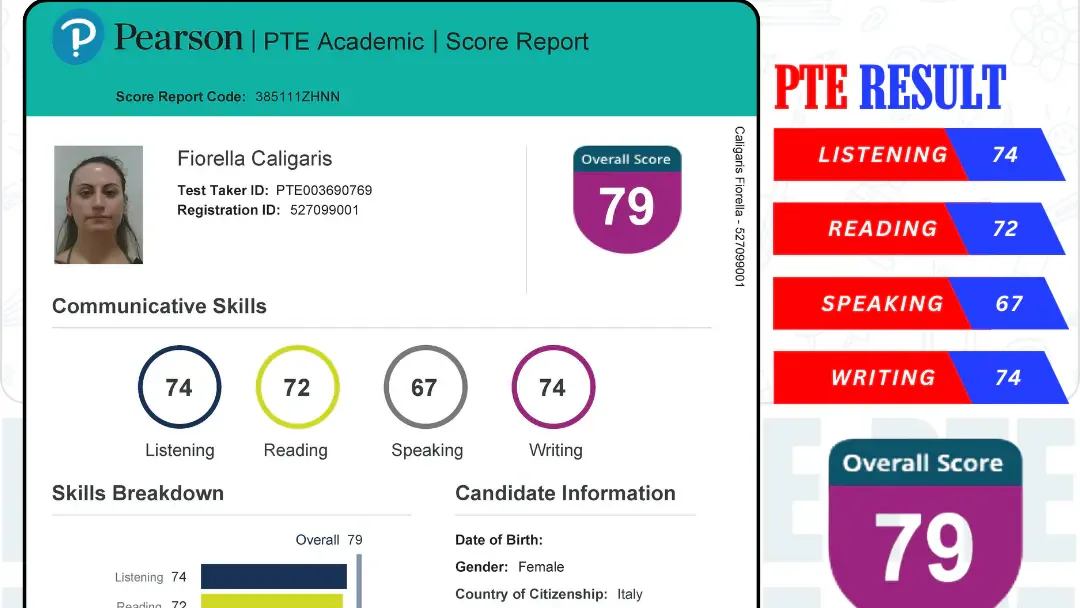
Is self-study enough for a PTE score of 79 or higher? Reaching 79 or higher through self-study alone is possible but significantly more difficult, since higher scores typically require identifying and correcting subtle, specific weaknesses that are hard to self-diagnose accurately.
How long does a typical PTE course take compared to self-study? Structured courses often achieve target scores in a similar or shorter overall timeframe than self-study, because expert feedback accelerates progress and reduces the risk of unproductive, misdirected study time.
Does Boston Institute offer online access alongside in-person PTE classes? Yes. Boston Institute’s PTE students receive 24/7 access to an online practice portal in addition to in-person coaching at our Sydney CBD campus, supporting a hybrid approach to preparation.
Make the Right Choice for Your PTE Journey
Whether you’re leaning toward self-study or considering structured coaching, Boston Institute’s free placement test and free trial class give you an honest, no-obligation starting point. Our PTE Academic Preparation course (CRICOS 119103E) combines expert coaching with 24/7 online portal access at our Sydney CBD campus. Apply online at bostoninstitute.nsw.edu.au/apply or call 02 9836 6427.